
The refund process for American businesses impacted by Donald Trump’s Liberation Day tariffs, deemed unconstitutional by the Supreme Court earlier this year, has kicked off without major disruption, with the US president saying he will “remember” those who do not pursue refunds.
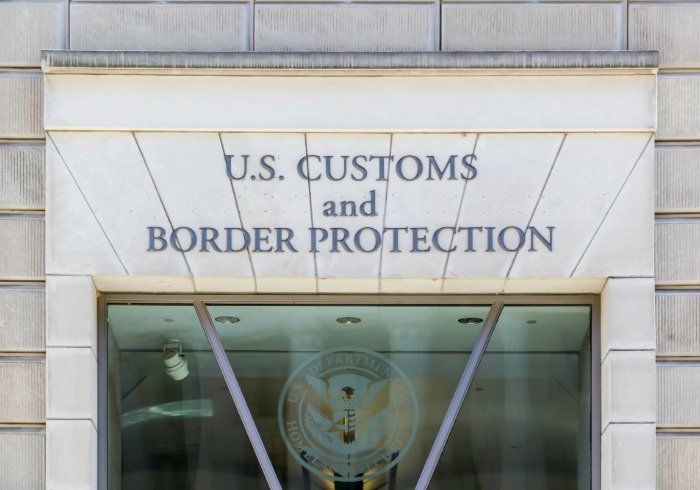
US Customs and Border Protection (CBP) opened a portal this week for importers seeking their share of an estimated US$166bn in potential refunds for the global tariffs Trump introduced in April last year.
The first phase of the programme, called the Consolidated Administration and Processing of Entries (Cape), is “working as described and intended”, said Andrew Caridas, partner at international law firm Perkins Coie, who is currently guiding clients through the tariff refunds process.
“Our clients have all been able to submit their Cape Declarations without incident,” he said, adding that entries that met the limited phase one criteria – including those liquidated within the past 80 days or cases in which tariffs were estimated but not finalised – have already “been reprocessed and seemingly scheduled for liquidation or reliquidation”.
“Entries that are not eligible for a phase one refund have been correctly reported in the submission error reports,” Caridas said. “It remains to be seen what portion of submitted entries are flagged by CBP for further review, and whether CBP will follow through on its claim that the tariffs on most entries will be refunded within 60 to 90 days.
“But so far, so good,” he said.
The programme’s phased rollout follows the Supreme Court’s decision on February 20 to declare Trump’s use of the International Emergency Economic Powers Act to impose import duties on goods imported from around the globe unlawful.
A number of big companies have publicly said they would file for refunds. Only a day after the portal was launched, Trump told CNBC that he would “remember” the businesses that have decided not to seek refunds.
When asked whether large companies, such as Amazon and Apple, have chosen not to apply for tariff refunds because they are worried about “offending” him, the US president said: “Brilliant if they don’t do that. Actually, if they don’t do that, they’ve got to know me very well,” he said. “If they don’t do that, I’ll remember them.”
More than 330,000 importers paid over US$166bn across more than 53 million shipments, CBP has previously said. Prior to the portal’s launch, more than 1,000 companies had filed lawsuits at the US Court of International Trade seeking refunds.
Only parties known formally as importers of record who made tariff payments or authorised customs brokers acting on their behalf can file for the duty refunds.
International trade lawyers have previously told GTR that, given the sheer volume of potential refund filings, refund payments could take between 12 to 18 months to be processed.