
EU member states have continued purchasing fuel from refineries believed to use Russian-origin crude, with researchers identifying eight such transactions in April, despite the bloc’s sanctions crackdown.
Since January this year, EU fuel importers have been required to show cargoes were not produced using Russian crude, even when purchased from non-sanctioned countries or refineries – part of wider efforts to starve Russia of oil export revenue.
However, Cyprus received four shipments last month from potentially high-risk refiners, while Italy, the Netherlands, Romania and Spain received one each, according to a report published by the Centre for Research on Energy and Clean Air (CREA) and data seen by GTR.
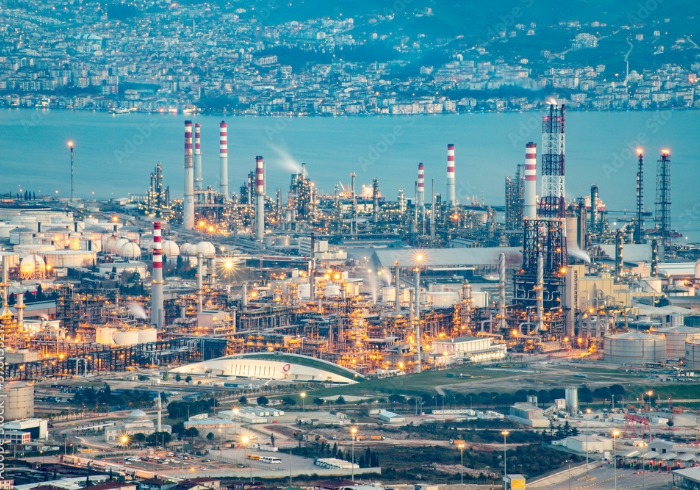
Seven of the eight shipments originated from Turkish refineries, including two from Star Refinery and one from Tüpraş İzmit, which CREA said use Russian crude oil for up to 64% and 74% of their feedstock respectively.
One cargo was purchased from Georgia’s Kulevi refinery, which the research organisation said is entirely reliant on Russian crude. The remaining four cargoes were imported from the Tüpraş İzmir refinery on Turkey’s west coast.
The report said all four refineries should be considered “high risk according to EU guidance”.
“Enforcement agencies in member states must investigate shipments of oil products imported from refineries that run on Russian crude to prevent Russian oil molecules from entering the bloc, which would violate the EU’s recently implemented ban,” it said.
Of the eight shipments, which included fuel oil, diesel and jet fuel cargoes, five were insured by P&I clubs based in the UK, data showed. None were carried aboard sanctioned vessels or transported under a false flag.
The report follows warnings from CREA last month that 14 cargoes of potentially high-risk fuel arrived at EU ports in March. Of those, 10 were from Tüpraş İzmit, Star and Kulevi, with the remaining four from India’s Jamnagar Refinery.
The research organisation also found Russia’s oil and gas export revenue has remained elevated since the conflict in the Middle East, which has choked off supply and triggered unpredictable price fluctuations.
Overall revenues rose 4% in April, it said, equivalent to €733mn per day and the highest such figure since 2024.
Crude oil revenues dropped 9% from March’s “anomalous high”, but were still 68% higher than in February and up 44% year-on-year.
The report attributed the April drop to Ukrainian drone strikes on export infrastructure, which resulted in seaborne export volumes dipping by nearly a quarter.
However, pipeline crude exports increased by more than a third from March due to the resumption of flows to Hungary and Slovakia via the Druzhba pipeline, which are exempt from EU sanctions.
Russia’s LNG export revenue also grew by 25% to €58mn per day in April, propelled by a spike in imports to China and Japan, CREA found.