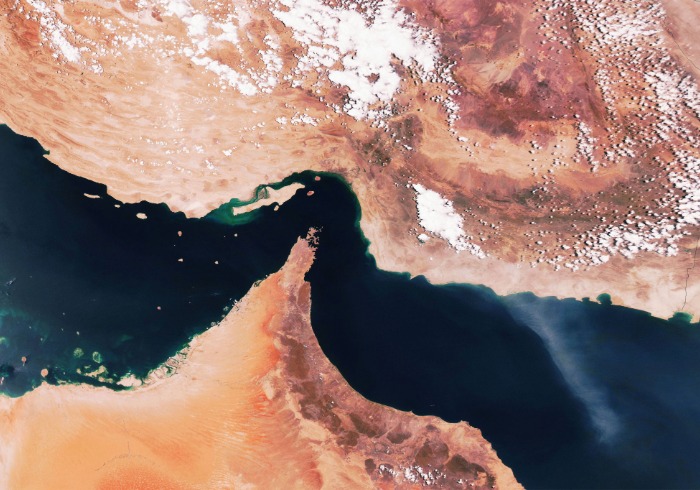


Demand for oil is expected to outstrip supply until the final quarter of the year even if flows resume through the Strait of Hormuz, depleting inventories and driving further price volatility, the International Energy Agency (IEA) has warned.
Restricted tanker traffic through the strait has already resulted in a total supply loss of more than a billion barrels from producers in the Gulf, the agency said in its monthly oil market report for May, published today.
Some refineries and end users have reacted to the disruption by scaling back consumption, the IEA said, with global demand forecast expected to decline by around 2.5 million barrels per day in the second quarter of this year.
However, that figure is far lower than the drop in supply, which has averaged nearly 13 million barrels per day since February. The report described the situation as an “unprecedented supply shock”.
In response, oil inventories are being depleted “at a record pace”. Observable stocks, such as commercial and government strategic storage as well as oil on water, were reduced by an average of 4 million barrels per day in March and April, the agency said.
Even if the US, Israel and Iran reach an agreement and allow transit to resume through the Strait of Hormuz from the third quarter of this year, the IEA said supply is likely to recover slowly, leaving the market in deficit until Q4.
The findings echo warnings from Vitol’s chief executive, Russel Hardy, who said at last month’s FT Global Commodities Summit that the loss of supply will have a “longer lasting effect” even if flows return to pre-conflict levels.
“We’re borrowing product inventories to cover demand today, and they’ll need replacing,” he said.
The IEA said the ongoing uncertainty means “further price volatility appears likely”, particularly ahead of the “peak summer demand period”.
For large commodity traders, higher volatility presents an opportunity to generate higher returns, but also places greater demand on liquidity.
So far, traders and banks have been quick to deploy additional liquidity and establish backup facilities, citing lessons learned from the turmoil in the energy market after Russia’s 2022 invasion of Ukraine.
However, Gunvor chief executive Gary Pederson said at the FT event the situation could mean the market “run[s] into some sort of liquidity issues on the financial side”, with the market “a little bit broken right now”.
Traders could also face additional costs if they are dragged into contractual disputes, such as rows over force majeure declarations, Mercuria has warned.
Oil market reconfigures
Meanwhile, the global oil market has reconfigured in response to the crisis, with producers in some non-Gulf markets ramping up output and “new trade flows emerging to compensate for lost Gulf product exports”.
Atlantic Basin crude exports have increased by 3.5 million barrels a day since February, the IEA found, with flows primarily heading to “hard-hit east of Suez markets”.
The report said there have been notable upticks in supply from Brazil, Canada, Kazakhstan, the US and Venezuela. Russian exports have also risen, driven in part by lower domestic demand after attacks on refineries and a temporary sanctions waiver issued by the US.
As a result, non-Middle East oil exports have reached record highs, it said.
At the same time, demand destruction has seen a sharp scale-back in crude imports to China, India, Japan and South Korea.
The report attributed the drop – totalling nearly 7.5 million barrels per day – to slowdowns in the refining, petrochemicals and aviation sectors.
“Higher prices, a deteriorating economic environment and demand-saving measures will further weigh on global oil consumption,” it said.