
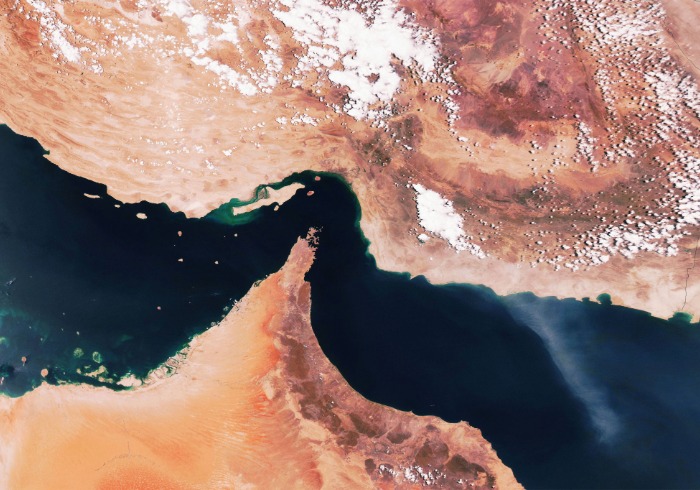
Oil inventories could reach historic lows in the coming months despite hopes of a peace agreement between US and Iran that would reopen the Strait of Hormuz, the International Energy Agency (IEA) has said.
US President Donald Trump said on June 15 the country had reached a deal with Iran that would restore toll-free commercial traffic through the strait for two months, with a signing ceremony scheduled for June 19.
A 14-point memorandum outlining the terms of the agreement, published by Bloomberg today, said the US and Iran would each cease aggression in the region and “restore traffic within a maximum of 30 days to its full capacity”.
However, the IEA said in its monthly analysis of the global oil market that even if the deal holds, any recovery in exports and production from the Gulf is likely to be gradual.
“While the US‑Iran interim agreement paves the way for a rebound in Middle East exports, operational and political constraints, including prolonged demining and unresolved transit arrangements, leave downside risks to the outlook,” the agency said today.
The IEA noted that mines would have to be removed from shipping lanes, and supply chains that have rebalanced over recent weeks will “take time to normalise”.
As a result, it said the shrinkage of global oil inventories and concerns over volatility will likely continue for months ahead.
“The buffers in the system continue to erode at a record pace,” it said. “Further declines in the coming months could still take global oil stocks to historic lows before the market balance shifts to surplus towards the end of the year.”
Carsten Brzeski, ING’s global head of macro research and chief Eurozone economist, said today it would take “a while to really reopen this trade”, predicting flows would not return to pre-conflict levels until the end of this year.
The market reaction to news of the interim agreement – which saw Brent crude prices drop below US$80 per barrel for the first time since early March – was “a bit too good to be true”, he suggested.
“We think markets were a bit carried away,” he said.
One potential barrier to restoring normal flows is around insurance cover, with providers sharply increasing war-risk premiums since the start of the conflict.
Even if safe transit is secured, Brzeski said it “takes a while to find insurers and to determine what the insurance premiums are for the vessels passing the Strait of Hormuz”.
Paul Carrington, head of Europe at Navitas Assurance Partners, an underwriting firm specialising in energy markets, said there is a need “to separate rhetoric from action”.
“Until we see a sustained period of calm, I don’t expect a material change in insurers’ appetite,” he said.
“To restore any meaningful volume of trade from the region, all parties need to be brought back in. In practical terms, that requires a resumption of normal shipping activity, which seems unlikely in the short term.”
Shipping lines have also been cautious in their outlook. A Maersk spokesperson told Reuters that until more details of the agreement are public, it is “too early to assess how it will impact logistics and maritime operations”.
By next year, however, the IEA report suggested oil supply would surge by around 8 million barrels per day (bpd), far outstripping its projected demand increase of 2 million bpd.
“This may provide a welcome respite to the market and an opportunity to replenish depleted inventories, or to build new strategic reserves, as countries review their energy strategies and policies in response to the crisis,” it said.