

The UK’s export credit agency (ECA) has guaranteed a £746 million (US$902m) loan from Citi to fund the redevelopment of two of Nigeria’s major trading ports.
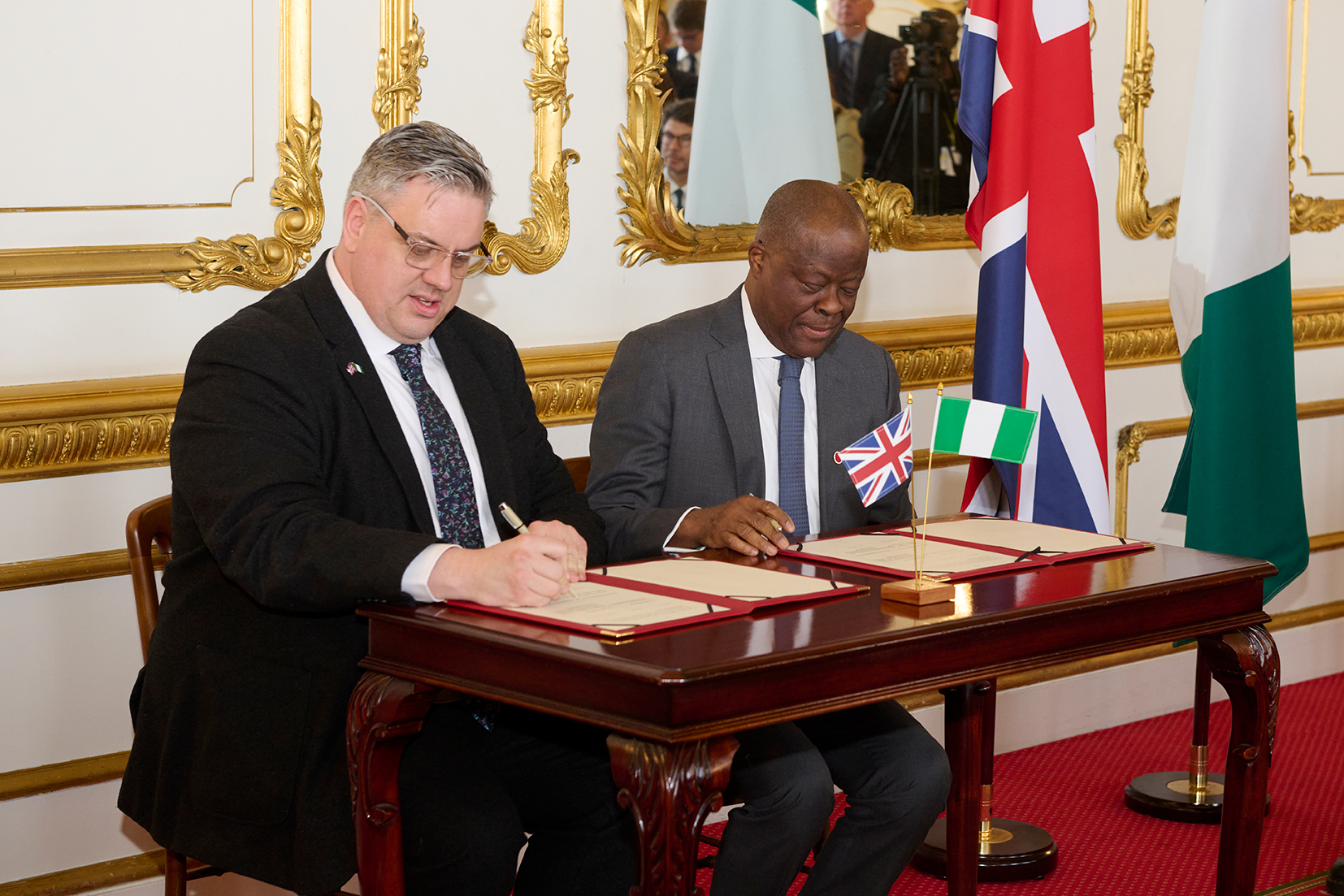
The deal between UK Export Finance (UKEF), the Nigerian Ports Authority (NPA) and the Federal Ministry of Finance was signed on March 19, during a visit by Nigerian president Bola Ahmed Tinubu to Downing Street.
The financing will be coordinated and arranged by Citi’s London branch, and delivered through UKEF’s buyer credit facility programme.
Citi’s global head of export and agency financing, Richard Hodder, said the lender was “delighted to support the NPA and the Federal Government of Nigeria in the financing of this critical infrastructure project” and to “deliver one of the largest ECA-supported buyer credit facilities ever seen in West Africa”.
The funds will be used to refurbish two of the country’s biggest national maritime infrastructure facilities, with at least £236mn of supplier contracts directed to British companies.
British Steel will supply 120,000 tonnes of steel billets to construction companies Hitech Nigeria and ITB Nigeria, a £70mn contract that represents the UK manufacturer’s largest export order backed by UKEF.
The steelmaker – which was rescued by the UK government last year – said the Nigeria contract represented “a major boost to our 4,000 employees” and marked a move “from stabilisation to building long-term sustainability for the business”.
The two ports covered by the deal are the Lagos Port Complex (Apapa Quays) and the TinCan Island Port Complex, also in Lagos.
“Through strategic partnerships such as this with the United Kingdom, we are laying the foundation for a new era of efficiency, transparency and competitiveness in Nigeria’s port system,” said Nigeria’s marine and blue economy minister, Adegboyega Oyetola.
He added the ports’ transformation would see turnaround times for vessels and cargo dwell times fall sharply as automated processes replaces legacy paperwork-heavy procedures, and expanded capacity helps ease bottlenecks.
“The modernised infrastructure will enable faster clearance of imports and exports, reduce demurrage and logistics costs for businesses, significantly improve the predictability and transparency of cargo movement and generate more revenue for national development,” Oyetola said.
Alongside the NPA deal announcement, the UK and Nigeria will sign a memorandum of understanding establishing a framework for “potential future collaboration”, according to UKEF.
The memorandum sets out Nigeria’s priority project pipeline and where it will be seeking finance and support from the export credit agency, with the UK “set to benefit directly through substantial supply chain participation”.
UKEF chief executive Tim Reid said the deal “demonstrates the full capacity of UK Export Finance to unlock transformational opportunities for British businesses” and laid the foundations for a “deeper, long-term relationship with Nigeria that will open doors for British exporters across the entire region”.
The agreement also brings the agency’s total support in West and Central Africa to over £3bn. Earlier this year, UKEF and Citi also worked together on a €193mn loan for a key agricultural project in Uganda, GTR revealed.
The announcements come as UKEF ramps up efforts to support the country’s exporters, including a new £11bn financing package targeting SMEs.
Meanwhile, Barclays recently called for a series of reforms at the agency to help strengthen export credit support for UK small businesses amid a concerning slump in goods exports.