
Commodity traders and lenders looking to engage in Venezuelan oil should brace for “major swings” in US sanctions policy, despite President Donald Trump’s vow to ramp up imports, maritime intelligence experts have said.
Trump issued a statement today saying Venezuela’s interim authorities would turn over 30 to 50 million barrels of sanctioned oil to the US, just days after US armed forces raided Venezuela’s capital and captured President Nicolas Maduro.
Trump said cargoes “will be taken by storage ships, and brought directly to unloading docks in the United States”, before being sold at market prices with proceeds controlled by the US government. Venezuela’s oil sector has long been the target of sanctions, with Chevron the only US company permitted to act in the market over the past year.
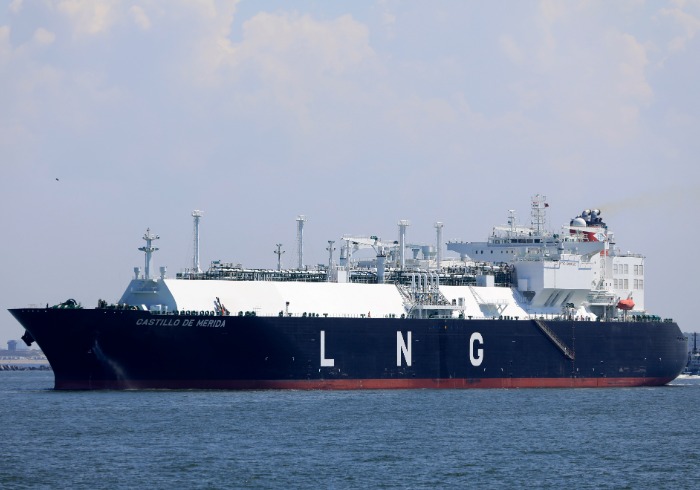
Venezuela is believed to have large quantities of oil in storage, including “huge volumes” aboard tankers acting as floating storage vessels, according to Kpler analyst Homayoun Falakshahi.
These volumes have grown significantly since December, when the US announced a naval blockade aimed at stopping sanctioned vessels from exporting Venezuelan oil.
In the three previous months, China’s imports from Venezuela had averaged more than 700,000 barrels a day, Falakshahi said during a briefing hosted by Kpler on January 6.
Since then, Falakshahi said most of the oil loaded in the country “has actually stayed idle close to Venezuelan ports”, adding: “It’s only the volumes heading to the US Gulf Coast that have managed to actually continue acting as normal.”
However, accessing oil cargoes in floating storage presents numerous challenges for traders.
In the vast majority of cases, the oil itself is currently subject to US sanctions. Kpler research found that of 170 tankers that loaded Venezuelan crude last year, prior to the December 16 blockade, only 28 benefitted from a sanctions waiver provided to US trader Chevron.
Although only around a third of the individual vessels are currently sanctioned by the US, Kpler said nearly 75% had deployed deceptive shipping practices such as switching off or spoofing location transmission signals.
Information provided by Pole Star Global and Blackstone Compliance Services also shows significant overlap between the Venezuela-related ‘dark fleet’ and those servicing Iran and, to an extent, Russia.
“Deception is being used as an operational tool, not only as an exception,” said Kpler senior risk and compliance analyst Dimitris Ampatzidis. “This means that the majority of this oil is already [subject to] maximum legal enforcement exposure and therefore higher operational sensitivity.”
And with the US military aggressively targeting specific Venezuela-linked vessels – including today’s effort to seize the Russian-flagged Bella-1 after a two-week pursuit – any effort by those tankers to transport oil directly to the US “would just be inviting catastrophe”, said Blackstone director David Tannenbaum.
In addition, the heavy crude produced by Venezuela has historically been thinned using distillates imported from Russia and Iran, Tannenbaum noted in a client advisory.
The advisory recommended that traders, financial institutions and other companies involved in oil trading should be “extra vigilant in avoiding any transactions which may bring criminal, civil, or reputational liability to their firms”.
It said “major swings” in sanctions policy could include licences being issued and rescinded, additional designations against the Venezuelan dark fleet, and further vessel seizures.
Trafigura’s global oil head, Ben Luckock, told Bloomberg this week that “everyone is looking at what opportunities there may be in Venezuela” but that the commodity trader would need a “proper legal framework” before returning to the country.
Michelle Brouhard, a former oil trader and an energy market and policy expert, told the Kpler briefing that “eventually” oil companies are likely to return to Venezuela, and at that point “the ramp up could be very quick”.
But for now, she said companies “are just in wait-and-see mode”, and should plan for various outcomes depending on US government actions.