
Risk is the raw material of trade finance. It determines which transactions proceed, where capital flows and what protection lenders, exporters and investors require. It is hardly a new subject for this industry, but the nature of that risk – and the market’s response to it – is changing rapidly.
This issue examines how risk is being reframed across trade and export finance. New sectors are creating exposures on an unprecedented scale, geopolitical shocks are testing established assumptions and institutions are being pushed to reconsider both their appetite and the tools they use. The challenge for banks, insurers and export credit agencies is not just whether to take more or less risk, but how to assess and support it in a more volatile and interconnected world.
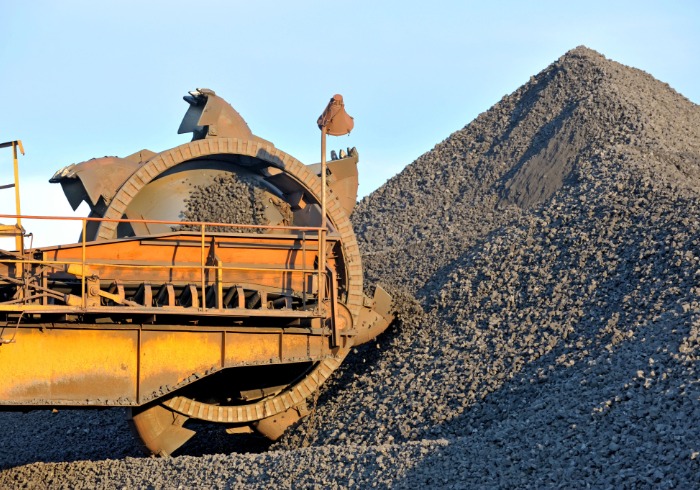
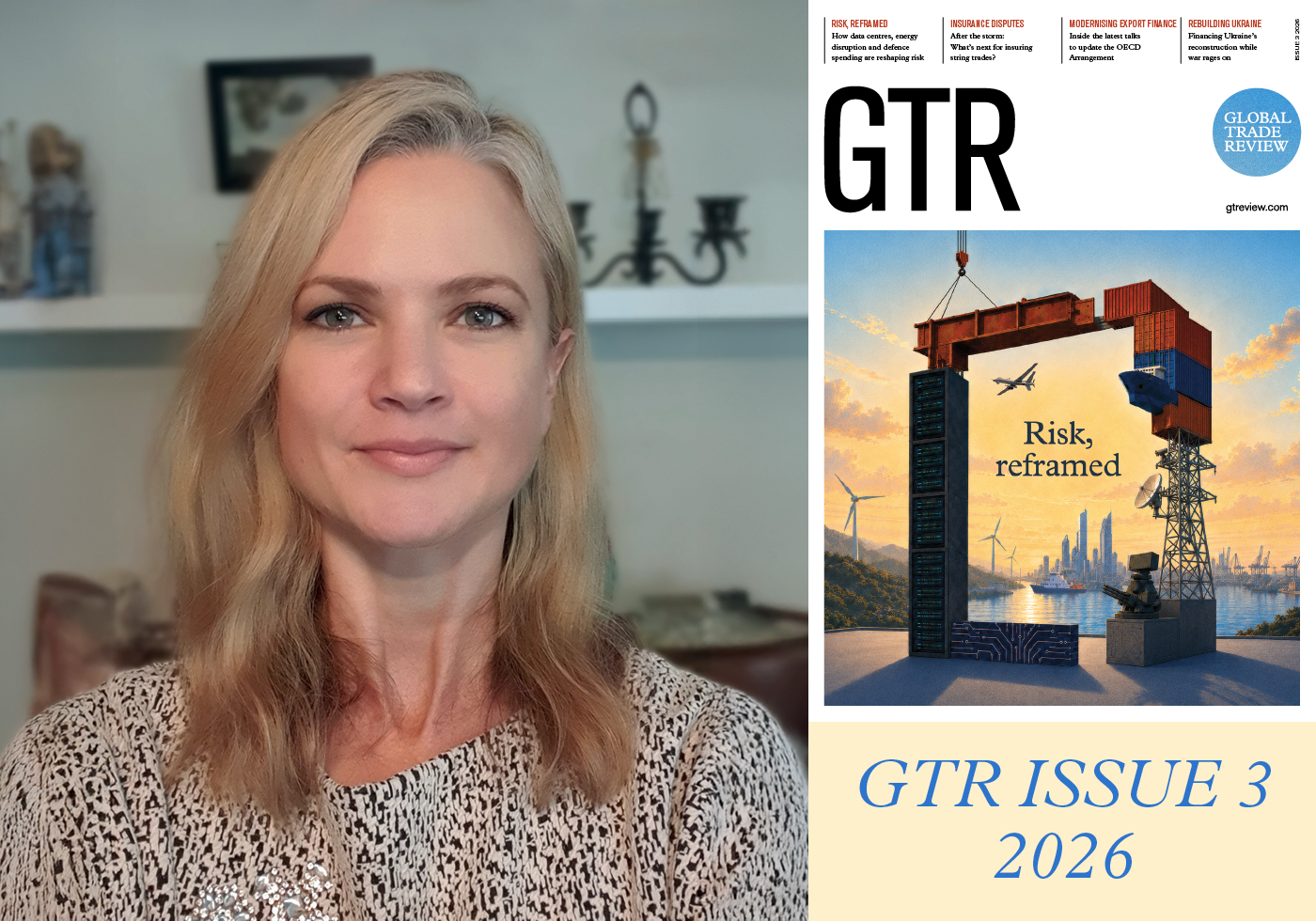
Our cover story explores this through three very different sectors. The expansion of artificial intelligence is generating huge financing and insurance requirements across the data centre lifecycle, alongside concerns about capacity, concentration and access to power. In commodities, the closure of the Strait of Hormuz has tested the resilience of banks, traders and insurers, with the market so far navigating the disruption better than many expected. Defence, meanwhile, is attracting greater support as governments increase spending, manufacturers scale production and financial institutions reassess a sector they once approached cautiously.
That theme of reassessment runs throughout this issue. Our feature on string trades examines how a series of disputes between commodity traders and insurers has forced both sides to revisit policy wordings, structures and expectations. The market has not walked away from these transactions, but there is clearly less room for ambiguity about exactly what is being insured.
Export credit agencies are also under pressure to evolve. Our feature on the latest modernisation of the OECD Arrangement asks whether rules built around traditional exports can keep pace with competition over critical minerals, the growth of software and services, and demands for greater flexibility.
In Ukraine, the stakes could hardly be higher. Reconstruction cannot wait for peace, but attracting private capital requires insurance, guarantees and blended structures capable of making viable projects financeable while the war continues.
The people leading these changes are also central to this edition. Our Leaders in Trade interviews with Sarah Murrow of Allianz Trade and Christina Montes de Oca of Coface North America explore their careers, leadership approaches and ambitions for the credit insurance market. Meanwhile, our profile of Euler Hermes chief executive Edna Schöne charts the evolution of export credit agencies from “insurers of last resort” towards a more active, market-making role.
I hope you enjoy the read.