
Natixis CIB has used pre-export financing structures typically deployed in oil and metals trades to help fund a US$3.1bn AI infrastructure loan for Zankore in Indonesia.
Zankore – a venture between Indonesian telecom operator Indosat Ooredoo Hutchison (IOH), Nvidia, Nokia and lead investor Ooredoo Group – announced the senior term loan facility last week.
The facility will fund the construction of Indonesia’s first dedicated AI factory and neocloud platform, with an initial capacity of 100 megawatts (MW).
Natixis, along with Citi, ING, Qatar National Bank and United Overseas Bank, acted as senior mandated lead arrangers, underwriters and bookrunners on the facility, which marks one of the largest AI infrastructure financings in Asia to date. Citi also acted as the exclusive debt adviser.
Proceeds will go toward purchasing and deploying Nvidia GPU infrastructure – the physical computer hardware on which AI runs – with Zankore aiming to scale from its initial capacity toward approximately 200MW in the first half of 2027 and ultimately 1GW upon completion, the company said.
Aydin Akkaya, head of global trade telecom, media, tech, luxury and retail sectors at Natixis, said the facility was tailored using an approach “very similar to a structured export prefinancing solution, historically deployed in the commodities business”.
Natixis’ tranche finances the purchase, installation and operation of the equipment and is secured against the GPU equipment itself, as well as material contracts and take-or-pay offtake agreements with paying customers.
Akkaya said the approach drew on Natixis’ prior experience with pre-export finance, prepayment and receivables discounting facilities “in the traditional commodities space”, applied to what he called a “digital commodity”.
“The compute capacity is being commoditised, with potential futures to hedge the compute price,” he said. “The approach is innovative because we adapted a commodity-like structure – pre-export finance, prepayment, structured receivables financing – to a digital commodity or asset.”
The facility does not include export credit agency (ECA) cover, Akkaya said, though he added that “there is growing consideration to involve ECAs in future transactions”.
Through the collaboration, Zankore plans to deliver Nvidia-powered cloud services to AI-native companies, enterprises, startups, developers and institutions across Indonesia and Southeast Asia, it said.
The platform launched on August 6, with Qatari telecommunications provider Ooredoo as its founding shareholder and lead investor, holding a 49% stake. Citi was also exclusive financial adviser to Indosat on the setup of Zankore and its equity fundraise last month.
How does it work?
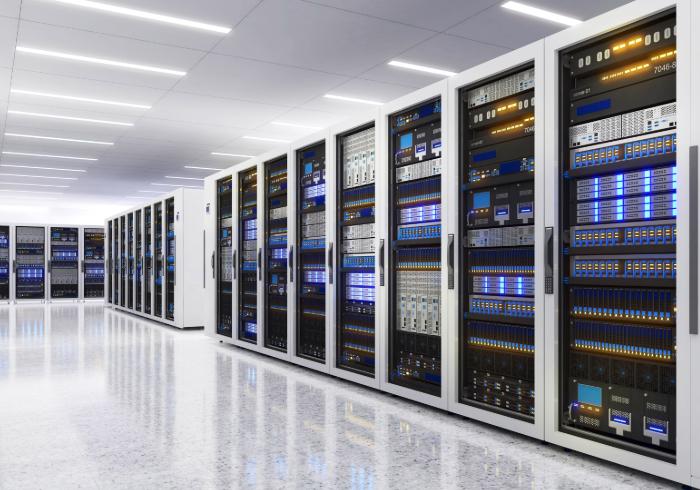
An AI factory is essentially a data centre built around graphics processing units (GPUs), the powerful chips needed to train and run AI models, rather than general-purpose computing.
Zankore’s platform will give companies on-demand access to Nvidia GPU clusters, built to handle everything from training AI models and building agentic applications to running them at scale, instead of those companies having to buy and run the hardware themselves.
The venture said this will let businesses across Indonesia and Southeast Asia build and run AI applications locally, rather than relying on infrastructure based elsewhere, and “play a more active role in shaping and benefiting from the next generation of AI”.
The support and underwriting of the facility from the international financial institutions involved reflect “the growing recognition that the next phase of AI development will require significant investment in the infrastructure that powers it”, Zankore said in a statement announcing the deal.
Olivier Menard, Natixis’ head of global trade for Asia Pacific, added: “AI compute is a new asset class that requires innovative financial solutions, such as this landmark financing for Zankore.
“We’d like to thank Indosat Ooredoo Hutchison for their trust in our expertise and strong track record, and to congratulate all the sponsors on setting a benchmark for future GPU financing projects in Asia Pacific.”