


Trade finance drew unwelcome attention in 2025 after the US$11bn collapse of US auto parts wholesaler First Brands, testing confidence in an asset class often viewed as low risk. GTR gathered buy- and sell-side players to discuss how investability is evolving, what safeguards matter most, and where institutional capital continues to flow.
Roundtable participants:
- Jacob Atkins, senior reporter, GTR (moderator)
- Guy Brooks, managing director, portfolio manager, Pemberton Asset Management
- Bertrand de Comminges, managing director, Santander Alternative Investments
- Suresh Hegde, head of global trade receivables, Goldman Sachs Asset Management
- Martin Opfermann, lead portfolio manager trade finance, Allianz Global Investors
- Munawer Shafi, managing director, private markets, Aviva Investors
- NLN Swaroop, managing director, head of embedded finance, Global Trade Solutions, HSBC & ITFA board member
- Makiko Toyoda, global manager, trade and supply chain finance, International Finance Corporation
GTR: Please describe your investment strategies and the types of trade assets you are interested in.
de Comminges: Santander Alternative Investments is the private debt arm of Santander Group, managing alternative investment strategies with capital from institutional investors as well as capital contributed from the holding company’s balance sheet.
We have two distinctive strategies within our trade and working capital fund management activity. First, we invest in investment-grade, short-term paper, providing weekly liquidity to our investors. Under this strategy, we participate alongside our partner banks in the leading programmes that finance the global working capital needs of blue-chip investment-grade companies. We have consistently outperformed our benchmark, one‑month Euribor, by more than 55 basis points net for an internally rated single-A credit risk. This strategy has delivered double‑digit monthly compound growth since its launch in June 2021.
Our second strategy is designed to address the significant funding gap faced by small and medium-sized enterprises globally. The way we structure our investments is closer to structured finance than to what the market may understand as standard trade finance. All that said, we actively invest in trade finance assets, typically accessing them through private securitisation structures rather than originating them directly. This is effectively private debt, but delivered with the flexibility and liquidity features associated with short-term working capital facilities such as those of trade finance. Our focus is on providing working capital lines to SMEs around the world, targeting the well‑known and substantial funding gap they face.

Brooks: Pemberton is a private credit asset manager with about US$30bn in assets under management (AUM). Historically, most of this has been in direct lending, but about six years ago we added a working capital finance strategy. That strategy now has just over US$2bn in AUM and is Pemberton’s only open‑ended fund. It offers monthly, quarterly and six‑monthly liquidity and invests in short‑dated, sub-one-year payables, receivables and inventory finance. Most of the portfolio is sub‑investment grade, with an average rating around BB-. We target medium to large companies, typically with an average annual turnover of roughly US$1bn and upwards. We apply bottom‑up fundamental credit analysis to every transaction in our underwriting process. Typical ticket sizes start at around US$20-30mn, with an upper range of US$100-150mn.
Historically, origination was through banks and platforms, but in the last two years we have significantly expanded our direct origination capability, a unique offering compared to a lot of other asset managers. Roughly half of our portfolio now comes from our direct origination channels, using the team’s networks and the broader Pemberton platform, especially private equity sponsor relationships and their portfolio companies that require working capital finance.
Opfermann: Around six and a half years ago, Allianz Global Investors launched an open-ended trade finance working capital strategy with monthly liquidity, targeting a net return of base rate plus 200 basis points to investors. This is a typical 90-day average maturity portfolio. The mandate is broad: we invest in payables, receivables and other forms of working capital finance. The overwhelming share of our book consists of payables to large corporates in developed markets. We have very small exposure to emerging markets, and don’t do commodity trade finance. We also invest a small amount into SME risk and other specialised areas.
Hegde: Our global trade receivables working capital strategy sits within our broader asset finance franchise. This platform has operated for over 20 years, with roughly US$10bn invested, itself part of a US$160bn private credit business at Goldman Sachs Asset Management. The receivables investment team is closely integrated with colleagues across these asset-backed and private credit businesses, which allows us to apply best‑practice underwriting and share due diligence and sourcing across all products.
The receivables strategy is offered as a low-duration alternative for traditional investment-grade credit. We are focused on short-term corporate payment risk, using asset finance techniques to isolate that, and seek to add layers of structural protections. We avoid commodity price risk and concentrated counterparty risk, and pay particular attention to minimising operational risks such as transportation or fraud.
We have an open-architecture sourcing model supported by structuring expertise in the investment team. This allows us to both originate via factors and corporates, and additionally leverage Goldman Sachs’ broader origination platform: the investment bank, capital markets and private credit. We concentrate exclusively on diversified true-sold receivables and payables finance and can offer the strategy on a fully or partially insured basis. Our investment focus is on small- to mid‑market sellers, predominantly mid‑ to large‑cap buyers, and only on developed-market payment risk. The counterparties and programme managers we seek to work with are institutional grade, and portfolio construction is built around diversification: broad, granular receivable exposures rather than concentrated corporate risk, which is why we generally don’t favour supply chain finance.
Shafi: As a firm, we see trade finance as one tool within our broader asset‑based finance strategies rather than a standalone fund. It is one sub‑asset class in the portfolio construction toolkit, used to help manage liquidity and duration. So far, our activity has been limited to supply chain finance and insured trade receivables. The aim is to capture a liquidity premium while taking corporate or quasi‑corporate credit risk, avoiding operational, fraud and dilution risks that can exist in parts of the asset class.
We focus on a narrower universe where we can demonstrate that the risk is economically equivalent to corporate risk, but with a complexity or illiquidity premium attached to the trade finance structure. We benchmark it as an alternative to money market instruments from a risk‑return perspective. The model is partnership‑driven. We work with two bank platforms. Our core focus is investment-grade, but we will consider sub‑investment-grade exposures where protections such as insurance wraps are in place. Otherwise, deployment is opportunistic and relative‑value driven versus comparable corporate risk.
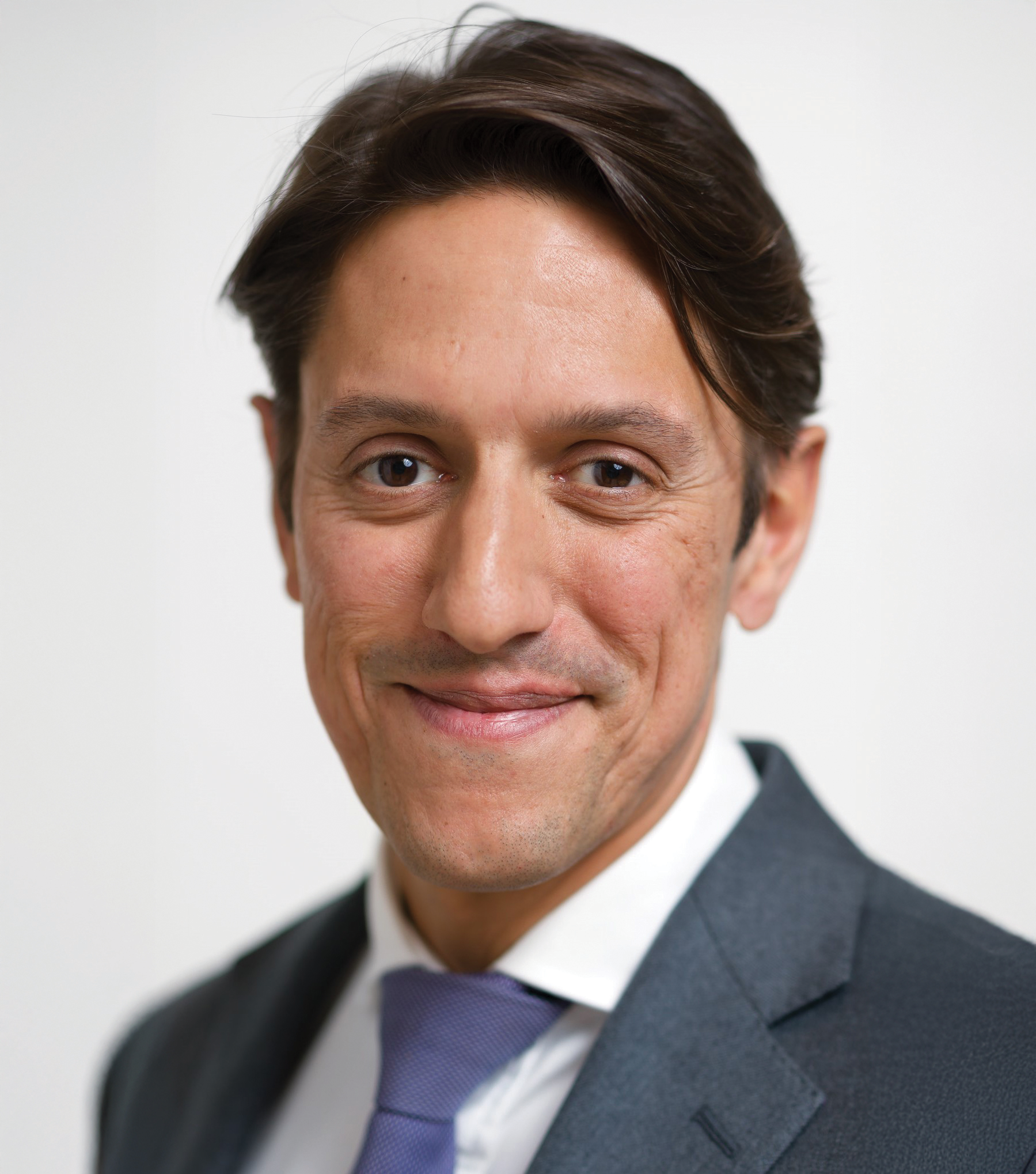
“The counterparties and programme managers we seek to work with are institutional grade, and portfolio construction is built around diversification: broad, granular receivable exposures rather than concentrated corporate risk, which is why we generally don’t favour supply chain finance.”
Suresh Hegde, Goldman Sachs Asset Management
Toyoda: IFC [International Finance Corporation] is the private sector investment arm of the World Bank Group, with a mandate to invest in emerging markets. We set up our trade and supply chain finance department in 2004, so we now have more than 20 years’ track record. In 2024, we invested around US$21bn across financial institutions, corporates, trade finance, commodity finance and supply chain finance. We provide payables finance, receivables discounting and, more recently, prepayment structures. Our approach is strongly partnership‑based. We have a network of about 250 banks in emerging markets and work with global, regional and local confirming banks. Our largest initiative is the FI programme, which connects those 250 emerging‑market banks with roughly 1,300 confirming banks across 106 countries. The average country risk rating we are taking is around B, but we can go down to CCC if required. Average ticket size has been increasing and is now about US$2mn, and tenors have also been lengthening. We have a diversified emerging market trade and supply chain finance portfolio aligned with IFC’s development mandate.
Swaroop: HSBC is the largest trade bank globally and benefits from a global perspective. In recent years, we have seen steadily increasing interest from institutional investors in broadening their trade finance exposure. Historically, many have focused narrowly on supply chain transactions and corporate risk on a relative‑value basis. Now there is growing interest in receivables finance and in more structured situations, both on the trade and structured finance side, often via partnership models with banks. Within working capital and structured trade, we are developing partnerships where we originate and structure assets so that institutional capital can support banks in scaling these books.
Another change we have observed is that while trade finance remains a specialised allocation or focused strategy, the investor universe is gradually widening and has bigger tickets. Banks remain major buyers, and multilaterals such as IFC are important partners for our financial institutions (FI) business.
On the asset management side, we have launched the trade and working capital solution strategy, our first dedicated trade finance strategy in that channel. It is designed to invest across traditional trade and structured trade assets, leveraging HSBC’s origination franchise while maintaining diversification to make the asset class more accessible and investable for institutional investors.
GTR: Has anything changed in recent years to make trade finance more, or less, investable?
Opfermann: Since we started this back in 2017, our investor base has grown from a handful of investors to over 50 today. There has been a continuous increase in interest in the strategy, despite all the bumps along the way that this asset class has witnessed. Many of our investors have for many years been allocated to liquid credit, such as bonds, and to private markets such as private debt and private equity. But they are only now discovering that there is a semi-liquid bucket in between these two markets. Many investors call us the semi-liquid asset class, others call us asset-based finance. Irrespective of names, the segment sits somewhere in between the closed-end private debt funds and the daily liquidity of bond funds – this is what we’ve always been providing through trade and working capital finance strategies.
More investors, especially institutional investors as well as high-net-worth individuals, are appreciating this asset class and adding further credibility to the market base. We now have longer track records as a group, so there’s more data to review, which helps strengthen the more positive perception. Another trend that started two to three years ago is that the investment consultant industry – which is a large multiplier for getting institutional money into a space – has picked up on trade finance. As a group, we have benefited greatly from that.
Hegde: We may expect to see continued interest from global clients, driven by potentially attractive characteristics. These can be seen in the strategy: relatively low market risk and valuation volatility, positive income generation and relatively high liquidity compared to general private debt. These features could appeal to a wide range of clients, from pension funds and insurance companies to private wealth, especially in volatile market environments. I expect this growth to continue, particularly among large, sophisticated limited partners (LPs).
The involvement of large asset managers and specialised private credit managers, like those here, is helpful: It spreads knowledge and confidence among these large, sophisticated LPs, which is essential for growing AUM in the asset class. However, operating this business robustly and at scale is realistically complicated. It requires significant investment in expertise, infrastructure, technology and origination networks to function effectively. We have been building our platform and expertise in this space since before 2020.
When done well, investment characteristics are positive, but when not, issues can arise. For me, the business continues to be about trust and resilience. As long as quality managers within this space maintain high diligence standards and can demonstrate that investment process towards clients, the future for growth has the potential to look bright.
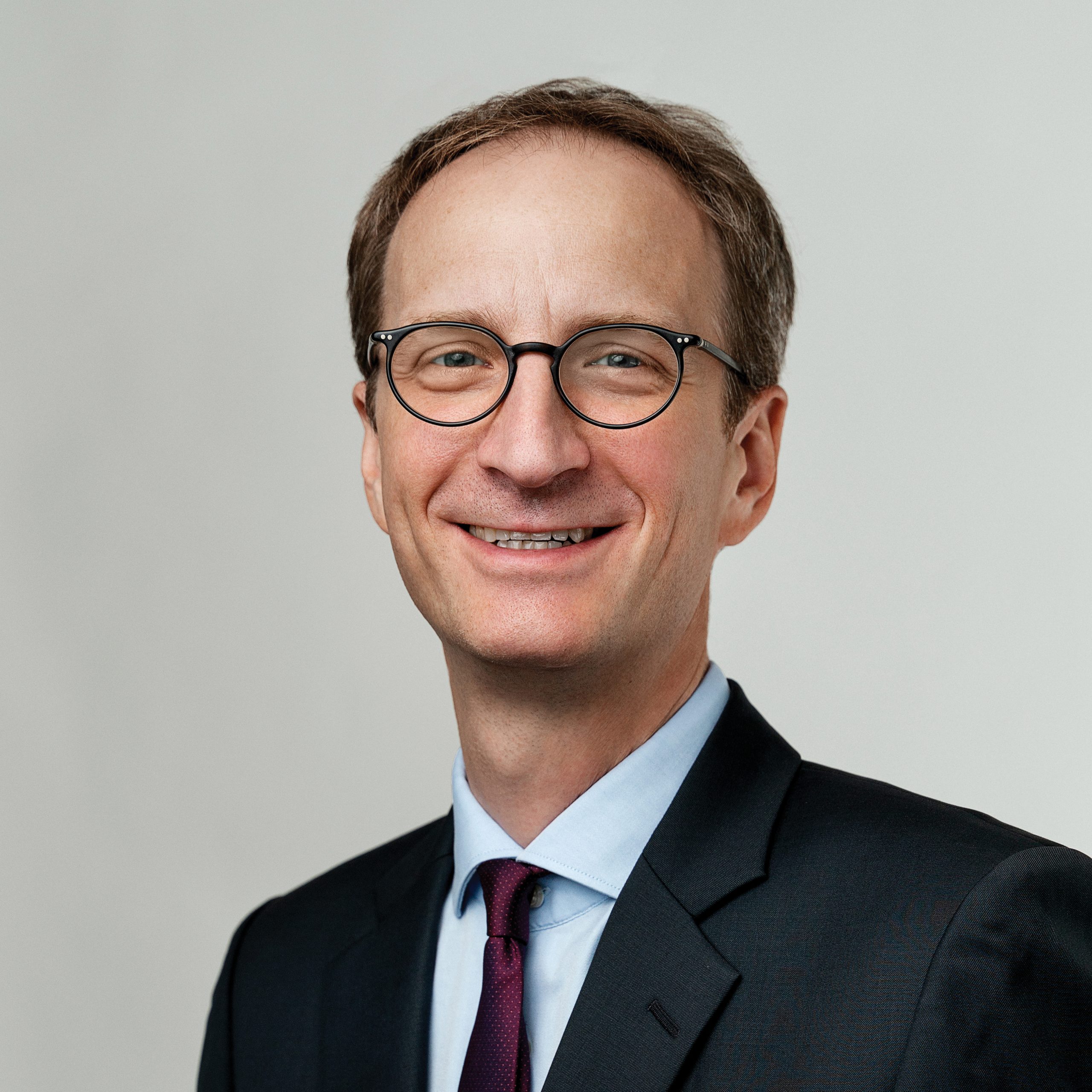
“Many investors call us the semi-liquid asset class, others call us asset-based finance. Irrespective of names, the segment sits somewhere in between the closed-end private debt funds and the daily liquidity of bond funds – this is what we’ve always been providing through trade and working capital finance strategies.”
Martin Opfermann, Allianz Global Investors
Swaroop: Having been a practitioner for close to two decades in trade finance, I’ve seen very little premium paid or placed on the infrastructure and control environment you need to build around managing trade finance business sustainably. It sounds only fair that the asset and investor pricing reflects the cost of setting up this specialist infrastructure and control. As Suresh highlighted, there is value in infrastructure, controls and technology to manage trade finance, which is often evidenced in challenging times and situations. Therefore, the partnership model is very relevant – between the right partners, the ones who have the right infrastructure and the ones with institutional capital coming in to jointly work for the best outcomes. Over the years, many originators of trade finance, including banks, have invested heavily in controls and developing specialist infrastructure, which is reflected in historically low default rates in trade finance originated by them. That’s the direction of travel for the market: finding the right balance between origination models and the control environment that can continuously serve the needs of the customers and provide safe and sustainable capital flows for trade financing at scale.
Shafi: I think you raise a very important point. We all know the recent issues, whether it’s Greensill or First Brands and a few others before that. But equally what we’ve seen is significant commoditisation of trade finance. We have HSBC and Santander here, large trade finance banks, and there are a number of fintech platforms coming in and more entities are required to go via those. How do you balance, on one hand, more standardisation and commoditisation required for the asset class, but on the other, these issues that are very difficult to detect and leave a bad reputation for the asset classes? It’s a big asset class, so it’s unfortunate these situations get more than their fair share of media coverage and impact.
Swaroop: I see this as a stage of market evolution, and the right balance will be achieved. This is not just in trade finance; we have similar examples in corporate banking and credit markets. With the advent of NBFIs [non-bank financial institutions] entering the corporate banking market, we haven’t seen the market share of the top players shrink in banking. Instead, it has remained stable or grown, whereas the smaller or less innovative institutions have shrunk. There has been a continuous need for innovation and for developing new ways of working to support customers in delivering products and services. There is a premium for quality of solutions, speed of delivery, customer service and ability to execute in various international markets. Collaboration and innovation in these areas will define the growth of trade finance as an asset class. A good analogy for this evolution is Tuckman’s model of group development – forming, storming, norming and performing. We’re in the ‘forming’ and ‘storming’ phase, and there will be a cycle of multiple originators and investors collaborating with market players to develop trade finance as an investable asset class.
Toyoda: I agree with all that has been said and want to add one point on Martin’s comments. As an industry, it is important to disseminate information about this asset class, which may not be well known. The ICC [International Chamber of Commerce] Trade Register plays a big role here. Data collected after the global financial crisis discloses the performance of this asset class. It is important the industry understands this low-risk asset class. Yes, there have been some incidents from time to time, but overall it is an attractive investment asset class that investors should know about. Swaroop mentioned partnership and Suresh mentioned trust. This network of trust and partnership is very important to share knowledge and help the industry grow further.
Opfermann: It’s important to point out that the numerous fraud cases in the second half of 2025 were not limited to trade finance or working capital. They involved private equity, private debt as well as listed corporate debt. At some point it seemed as if there was a new case almost every week – it’s really not just our sector that is affected. Secondly, there has been a negative development with the ICC Trade Register. When we started, reports were publicly available in short form. Now the report is no longer made public and is very expensive, making it inaccessible to average investors wanting to do due diligence. Restoring access would help because many institutional investors are not going to pay such a high cost for due diligence.
Brooks: When I started at Pemberton, we were coming off the back of Greensill, then we had Covid, and then the market volatility from the invasion of Ukraine, energy price hikes and the rise of interest rates – yet AUM in the trade and working capital finance asset class continued to grow throughout. As Martin touched on, the emergence of the institutional investor consultants like Mercer, who have shown interest in the asset class for many years but only recently started giving approval ratings, has made the asset class far more investable and accessible for larger pension funds and insurance companies. In addition to this, AUM has increased as more strategies were established by leading asset managers, some of which have long track records, all helping to give investors confidence in the asset class.
If you had a First Brands situation three, four, or even five years ago, the impact would have been a lot bigger than what we see today. Clearly, we’re still going through it now, but the markets have remained stable and investors haven’t wanted to redeem. Investors are starting to understand and see through it; we are seeing some investors pausing for now, but we already have strong indications that they will return in early 2026. The education provided to investors over the last five or six years is providing a lot more stability and resilience to help weather such volatility and navigate through these situations.
One other trend that has helped our asset class is the broader tightening of credit markets, making trade finance’s relative value and alpha more apparent. When we are pitching our strategy to investors, we are often competing against ABS or short-dated corporate credit. The advantage that working capital finance has against those other strategies is low volatility, no mark to market and typically better relative value. As Bertrand touched on, there’s also a great low correlation aspect to it.
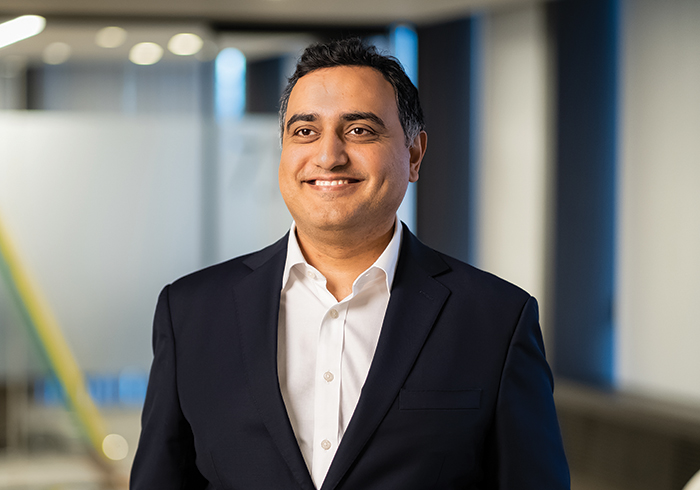
“Ultimately, development of risk-mitigating products, such as insurance and securitisation, can help bridge the gap and bring new investors into these products at scale.”
Munawer Shafi, Aviva Investors
GTR: What other changes do you think are needed, either from market players or regulation, to grow investor appetite for trade finance?
de Comminges: The industry has recently experienced the collapse of some funds claiming to offer secure, low-risk trade finance assets whilst paying net returns above 10%; two elements that contradict each other at their core. These levels of returns are unheard of in the industry unless you take excessive risks. Some of these funds may have been marketing themselves using Basel 3 and Basel 4 data on bank-delivered trade finance to portray it as a solid and robust investment strategy, but they were doing unsecured leveraged finance, and not what those around this table would understand as trade finance.
It is critical that the industry as a whole becomes much more transparent about which investment managers have a true understanding of trade finance, the risks involved in it, and clarifies that a well-structured trade finance deal cannot yield net returns anywhere near 15%. For example, I have personally structured deals in places such as East Timor or Benin, without losing a penny for the funder because they were structured with common trade finance features – and were charging well below 15%.
We need to distinguish clearly that much of the so-called ‘trade finance’ is actually leveraged financing for companies. The term ‘trade finance’ has become popular and confusing, much like supply chain finance – where many do not even know the differences between supplier finance, buyer-led trade finance, or how banks use varying terminologies and product definitions for the same structures. This confusion impacts us all as investors.
A game-changing innovation would be a register like the UCC [Uniform Commercial Code] in the US, which allows you check if you have the rights to certain assets or if these have already been pledged to other financiers. A central EU register for receivables, short-term loans or other products would be a game changer to assess leverage and reduce fraud risks; therefore increasing the extension of funding to small and medium-sized enterprises and making the economy a much more competitive marketplace.
A second improvement to make the asset class more attractive would be if banks could be more efficient with the provision of liquidity to market participants. It is true that participating in blue-chip programmes, our funds are factually investing in the bank’s private relationship with their client, letting the bank run the programme and relationship, but the reality is that our investors have other options, such as money market and UCITS [Undertakings for Collective Investment in Transferable Securities] funds that provide daily liquidity. Greater agility on the liquidity front – like accessing money in two working days – would massively open the market to both institutional and retail investors.
Opfermann: I don’t think institutional things like a UCC register for Europe or other regulatory developments are what we need to unlock more investments. As an industry, we are able to muddle through any challenge that is thrown at us. Over the years, we’ve shown we can master any volatility, any market event, any regulatory change. Whatever comes along, I’m very optimistic that as an industry we can achieve our investor returns overall, even if not in every micro segment. I think what hurts us more are the recent investment fund hiccups. What we need as an industry is more asset managers with a fundamental credit process that is suitable for this market. It’s still not fully known what happened with First Brands. We have observed that some hedge funds in the market were targeting returns that were simply not achievable in our investment universe. And when they found those high returns in one name only, they loaded up on it to a point when it represented too large a concentration. Bad credit decisions are as old as investing, which is why diversification and diligent underwriting are key. Even if you do your very best, credit events happen. You impair the position, you inform your investors, and you start the workout. But then you move on. And that’s how investors expect us to handle these cases. One default should not put the whole franchise at risk.
Brooks: On the First Brands concentration point, surely it is a fund’s governance framework that needs to be questioned here, that allowed some asset managers to have such high single-name exposure. It is a huge surprise that they were able to have such high concentrations on one borrower, which totally goes against portfolio construction and diversity. It could have happened in any sector: trade finance, corporate credit, any other asset class, but sadly, First Brands happened in our asset class, and therefore we’re all impacted.
Shafi: There are two important considerations. The first one is the demand versus supply of capital for certain asset classes. There are periods where one asset class receives more funds than another, and as a result, this can have unintended consequences for those asset classes. The second is the investment process and capability of investors. Public companies have also experienced fraud, so the issue is not unique to trade finance or private credit. In fact, with private instruments, there can be better access to information, since preferential access to information for investors is illegal in public markets. As a result, access to information is via agents such as credit rating agencies. Ultimately, the issue comes down to manager skill and governance rather than the asset class alone.
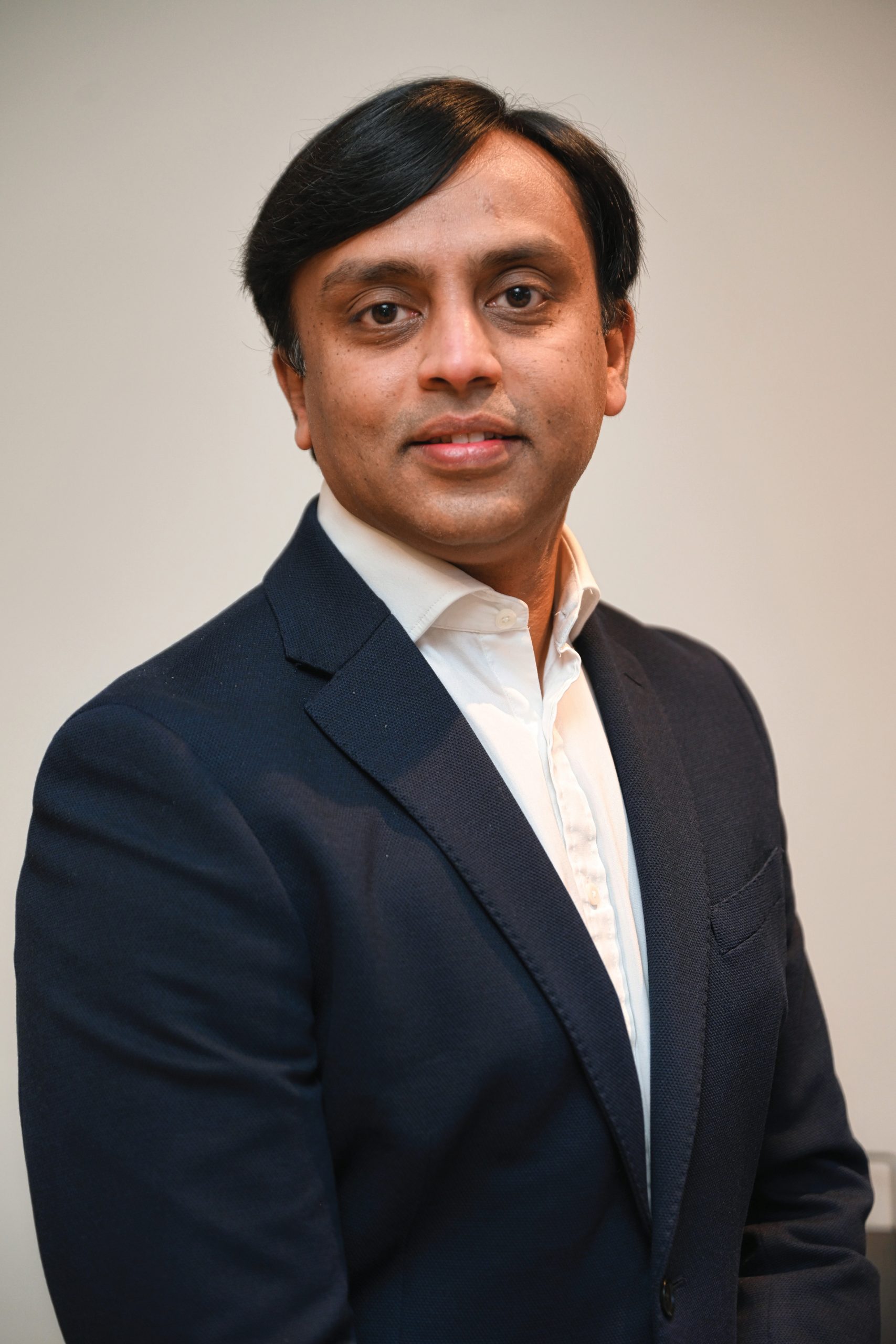
“A good analogy for this evolution is Tuckman’s model of group development – forming, storming, norming and performing. We’re in the ‘forming’ and ‘storming’ phase, and there will be a cycle of multiple originators and investors collaborating with market players to develop trade finance as an investable asset class.”
NLN Swaroop, HSBC
This challenge isn’t isolated to any asset class or the public-private debate but stems from how markets function. First Brands not only had trade finance exposure – they also had public market instruments in issuance, such as broadly syndicated loans. The main issue was sizeable off-balance sheet exposure, which was not quite to private companies only.
Hegde: Trade finance is not a new asset class. Structured finance and asset finance are not new asset classes either. Going back to the point about the UCC register, doing lien checks is important in all these businesses. We’ve seen that potentially inadequate checks for security and other existing debt have come up as a possible issue across many of these recent cases, which could be seen as standard best practice for investment structures in this area. This asset class can be complex, and you have to be prepared to do the work and build the business at an appropriate pace. So it comes back to doing the basics of proper underwriting and going back to fundamentals. There’s no need to reinvent risk management – but we are constantly striving to learn and improve even where we have avoided such issues.
Swaroop: To add another dimension on what can help make trade finance more investable, I think we can be better at disseminating information about the asset class. As part of our work, for example through the working group ITFA Trade Finance Investment Ecosystem (ITFIE), we have been trying to reach institutional investors by attending their events, speaking about trade finance and regularly publishing material to help demystify trade finance nomenclature and practices. We must continue and build on this work to develop an industry network of institutional investors and trade finance practitioners regularly sharing best practices and market developments. We are seeing green shoots of success with the growing acceptability of some of the common industry legal documentation and publications we have made through ITFIE.
Toyoda: The definition of trade and supply chain finance products is an important point. There are various definitions floating around. For example, at IFC, we use the Global Supply Chain Finance Forum’s definition for supply chain finance products, but sometimes other players in the industry use different terms. Standardisation of language is also important in this particular asset class because we have a complex mix of products. In terms of negative cases like First Brands, we see those things from time to time and we must learn from them. But at the same time, if we look back across 20 years, this is still a very attractive asset class.
GTR: What do you think is preventing big institutional investors like asset managers and insurers from having a trade finance strategy and investments?
Shafi: I can answer this from an insurance perspective. At Aviva Investors, we manage assets for the Aviva group and its entities, but also for a number of other insurance companies and pension funds. Within insurance capital, you usually see two pools of capital: shareholder funds, which sit under the [EU’s] Solvency II regulation, and policyholder funds. From a shareholder perspective, insurers ultimately would like to invest in corporate-style fixed income instruments. A lot of trade finance, especially where there is performance, commodity or price risk, will not qualify as corporate risk. Some of the risks I mentioned earlier, like dilution risk, mean you can take a loss on a trade finance position even if the corporate obligor does not default. So you are taking risks in addition to corporate risk, and the key question is whether you can still classify them as fixed income instruments – and the answer is no. That is why our appetite is very selective. Ultimately, development of risk-mitigating products, such as insurance and securitisation, can help bridge the gap and bring new investors into these products at scale.
GTR: Are there any new or interesting structures in the market from banks or other originators that are seeking to offload risk?
Brooks: At Pemberton, there are a few initiatives that we’re currently looking at. As you’ll have seen in the press, we have a joint venture with Santander, called Invensa, that provides corporates with off-balance sheet financing against their inventory. We’ve provided financing against inventory over the last few years, but it’s an area we really wanted to double down on. The Santander partnership will allow us to finance predominantly investment-grade clients on their side, but also give us a platform for Pemberton to support our crossover and sub-investment-grade corporates, particularly those coming from our broader private equity, sponsor universe.
In addition to the Invensa offering, we have been leveraging the growing interest in the asset class, especially from some of our existing LPs, but where they are looking for higher returns. This can be delivered either using standard leverage, which is becoming increasingly available from the financing teams of the major banks or structurally, via tranching of portfolios of either payables or receivables.
All of these initiatives now give us a range of options for our investors to deploy capital in a growing asset class, and if they are willing to take some conservative leverage, we can offer that too.
Swaroop: On the sell side, we’re seeing clear interest in portfolio structures, especially in non‑investment grade or crossover credits. The idea is to pool either static or dynamic non‑investment grade assets to generate optimal returns while taking comfort from a long track record in managing these private names with strong originators. We’ve seen a couple of trades of this type, and we see more interest building both for forward flow and static pools.
We’re also seeing growing use of insurance as a tool – such as policy wrappers around structures beyond standard receivables finance.
Finally, partnerships are becoming key: investors who’ve been in the space for some time are looking at origination strategies, asking how they can work with established originators and use partnership‑led approaches to grow certain thematics – on sectors, structures or markets.
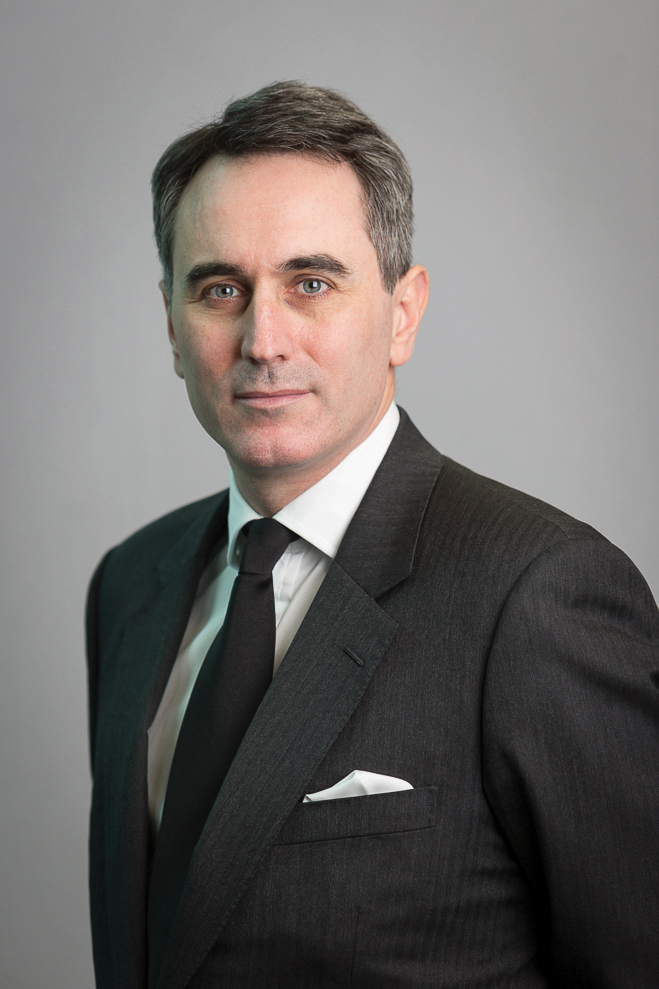
“It is critical that the industry as a whole becomes much more transparent about which investment managers have a true understanding of trade finance, the risks involved in it, and clarifies that a well-structured trade finance deal cannot yield net returns anywhere near 15%.”
Bertrand de Comminges, Santander Alternative Investments
de Comminges: I’ll mention something Swaroop is too humble to highlight but he should. This is the recent publication of the global Master Account Receivables Assignment Agreement (Mara). HSBC and a partner law firm have brought this to the industry through ITFA for participations in receivables finance, supply chain finance and other solutions. In true trade finance, there have long been framework agreements for true‑sale participations – like the MRPA [Master Risk Participation Agreement] – but they are a bit outdated and don’t fit open‑account structures well.
Mara, published in 2024 and originally an HSBC standard, is a concise, straightforward agreement that makes participation in and purchase of open account assets much simpler, supported by legal opinions and external counsel. This should make it easier for investors who are not yet familiar with the asset class to gain access.
GTR: Are your investors interested in sustainability and impact benefits, or are they focused solely on the return?
Toyoda: At IFC, we are trying to promote sustainability in trade finance markets. Our mandate is to work with the industry to support climate mitigation and sustainable trade finance. In 2024, we worked with the Asian Development Bank (ADB) to publish a sustainable trade finance reference note. If we want to engage regulators and policymakers, we all need a clear definition of what is ‘sustainable’. The ICC is also making a big effort here, and the ADB-IFC reference note is one contribution towards standardisation for the industry. If we want to grow impact investment in trade finance, we ultimately need a common standard that everyone can work with. That is the space where IFC is trying to contribute.
de Comminges: Regulation plays a significant part in all of this. But the impact of these is unequal depending on which entity you sit under. We’ve seen a competitor fund qualified as impact investing, but under a well-regulated entity’s standards, we may not be able to classify our fund as such. Standards differ depending on the entity’s size, industry and impact, or the framework you’re working under.
For example, we would love to invest in sustainability and get the right labels [under the EU Sustainable Finance Disclosure Regulation]. A case in point is the following: one of our funds has funded the extraction and treatment of copper, aluminium and zinc; the manufacturing of high voltage cables that require those metals as raw materials; the extension of the cables that connect wind farms to the continent; the sale of that electricity to a distributor produced by the wind farms; and the final sale of receivables from that distributor of green energy to its corporate clients. That’s the whole supply chain for producing green energy, which is much needed for the electrification of the world.
“On the First Brands concentration point, surely it is a fund’s governance framework that needs to be questioned here, that allowed some asset managers to have such high single-name exposure.”
Guy Brooks, Pemberton Asset Management
But the first layers – extraction and treatment of those metals – may be an issue for obtaining an ESG qualification. Yet without that mining, processing and manufacturing, there is no electrification, no production of wind energy, no transportation. Without it, you cannot even transport that clean energy to the final consumer.
We would love to have our funds considered sustainable and would probably attract many more investors for it. But it needs alignment by all the players in the market, from regulators to the SMEs supporting the big operators. It’s a similar case with impact funds: investing in the same assets via a joint venture or partnership with some other entity, they may be qualified as an impact fund, though we have not achieved it yet.
Opfermann: We’ve been thinking hard about ESG classifications and moving from Article 6 to Article 8 of the EU regulation. In general, it makes perfect sense because international trade is good – it brings people together, helps reduce the wealth gap, and so on. We ran several analyses of our book and deal flow, and came to the conclusion that more than a third is already contributing to one or more UN Sustainable Development Goals, even without being Article 8. The difficulty is having the data from neutral sources to prove it within a regulatory framework, so you can reclassify your fund.
The level of scrutiny differs between firms, countries and approaches – and it’s not unique to our asset class; it appears everywhere.